Whispered Elegance in Compact Living

Today we explore Quiet Luxury Design for Small Spaces and Apartments, celebrating discreet materials, calm palettes, and precise details that make compact rooms feel generous. Expect practical strategies, intimate stories, and ideas you can apply this week without clutter, waste, or noise. Share your challenges or wins in the comments and subscribe for calm, useful updates.

Material Honesty and Tactile Calm

Prioritize finishes that age gracefully: oak, linen, wool, brushed brass, and limewash. Their textures disperse light and invite touch without demanding attention. Test samples in morning and evening light, and keep a board of references to evaluate consistency, maintenance, and quiet presence.

Color Restraint with Depth

Use layered neutrals, not monotony: stone, putty, mushroom, ecru, and inky graphite accents. Vary value and sheen to keep interest alive in small rooms. A single deep hue, repeated thoughtfully, unifies sightlines, reduces clutter feel, and elevates perceived sophistication.

Proportion, Air, and Negative Space

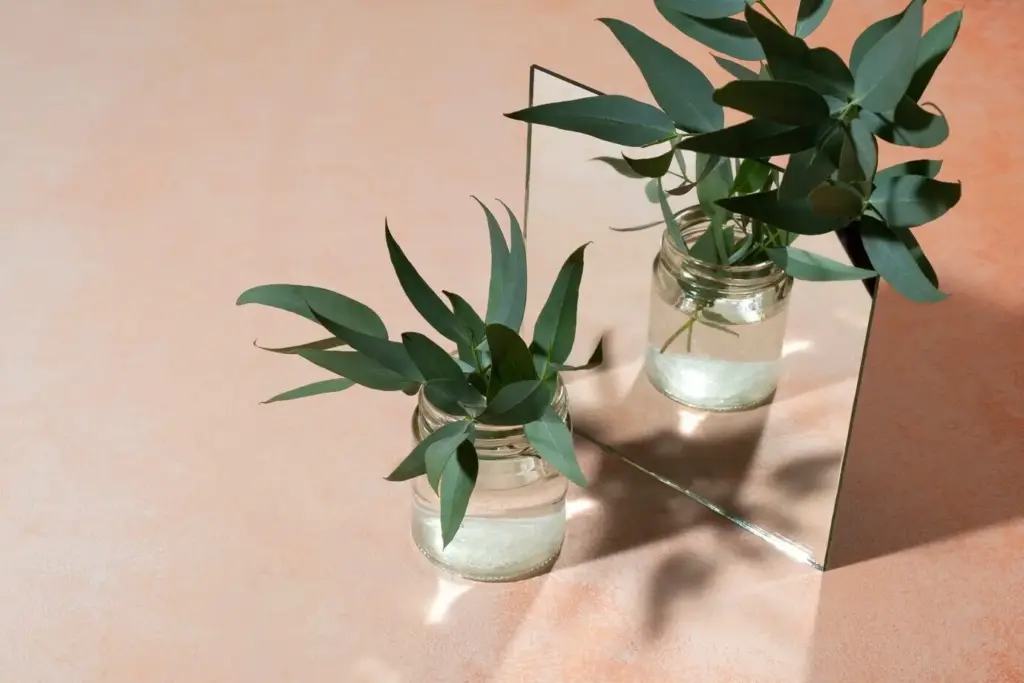
Allow clearance around furniture, float pieces from walls, and select silhouettes with lifted legs. Mirrors placed opposite windows double daylight without shouting. When in doubt, remove one object; the remaining ensemble gains authority, legibility, and quiet, considered character that endures.

Furniture That Works Twice

Modular Seating with Hidden Storage

Opt for a low-profile sectional with slender arms, tight cushions, and lift-up chaise storage. Keep throws, guest bedding, and seasonal pillows out of sight. Select performance linen or wool-blend fabrics that resist pilling, and specify legs in refined solid wood or metal.

Transforming Tables for Dining and Work

Choose a narrow console that expands to a dinner table, or a coffee table rising to desk height. Soft-close mechanisms and felt pads protect finishes. Pair with stackable chairs upholstered in natural fibers, maintaining a cohesive palette that calms visual noise.

Built-Ins That Disappear

Design floor-to-ceiling cabinetry flushed to walls, with touch-latch doors and shadow gaps. Match paint to walls or paneling so storage recedes. Integrate outlets and charging drawers, containing cables and devices while keeping surfaces clear for art, flowers, and easy breathing.

Daylight Management with Transparency

Use ceiling track sheers that skim the floor, leaving walls uncluttered and windows taller. Choose open-weave linens that preserve privacy yet blur hard edges. Complement with discreet blackout layers for sleep, ensuring evenings feel cocooned without heavy visual bulk or fuss.

The Warmth of Dimmers and Layers

Combine a central pendant, wall washers, adjustable reading lamps, and concealed LED strips under shelves. Dimmers guide transitions from active work to intimate conversation. Aim for 2700–3000K consistently, allowing materials and artwork to glow rather than compete for attention or space.

Textiles, Layers, and Comfortable Quiet

Textiles carry intimacy in compact rooms, softening acoustics and celebrating touch. Select breathable natural fibers, tactile knits, and tailored seam details. Anchor with a generous rug to define zones, then add slim cushions for comfort that feels curated rather than excessive.

Rugs That Quiet and Organize

Choose a low-pile wool or wool-silk blend sized to front legs of seating, visually connecting pieces without swallowing floor area. Underlay with felt for sound absorption. Neutrals with subtle patterning disguise wear while preserving the gentle elegance that quiet luxury demands.

Curtains, Sheers, and Soft Boundaries

Mount drapery at ceiling height to elongate walls, and hem precisely for a tailored line. Use interlining to add body without heaviness. Layer sheers for daytime glow and heavier panels for night, balancing privacy, acoustics, and understated drama in one elegant gesture.

Art, Objects, and Meaningful Editing

Curation distinguishes quiet luxury from minimalism. Keep fewer pieces, but invest in authenticity, provenance, and emotional resonance. Rotate displays seasonally to renew attention. Let negative space frame a single artwork or vessel, allowing contemplation without visual competition or unnecessary decorative chatter.

Case Study: A Studio Becomes a Sanctuary

A 36-square-meter rental in a lively district gained softness and dignity through precise choices. With a limited budget, we prioritized light, storage, and texture. The result feels quiet, warm, and deeply functional, inviting slower mornings and unhurried dinners with friends.
Faxifexemerihipexokezixu
Privacy Overview

This website uses cookies so that we can provide you with the best user experience possible. Cookie information is stored in your browser and performs functions such as recognising you when you return to our website and helping our team to understand which sections of the website you find most interesting and useful.