Quiet Opulence: Texture and Neutral Harmony

Today we dive into layering textures and neutrals to create a subtle luxe feel, celebrating tactile richness, tonal nuance, and the gentle glow of thoughtful finishes. Expect practical steps, buoyant inspiration, and real-world stories that prove understated elegance can be deeply personal, remarkably durable, and welcoming every single day.

Reading Neutrals Like a Colorist

Neutrals aren’t blank; they carry undertones that can shift a room’s mood. Warm whites, greige, and mushroom hues soften natural light, while cooler charcoals and taupe lend tailored precision. Compare swatches vertically, track light through the day, and use LRV values to coordinate walls, textiles, and flooring without accidental clashes.

Texture Hierarchy and Balance

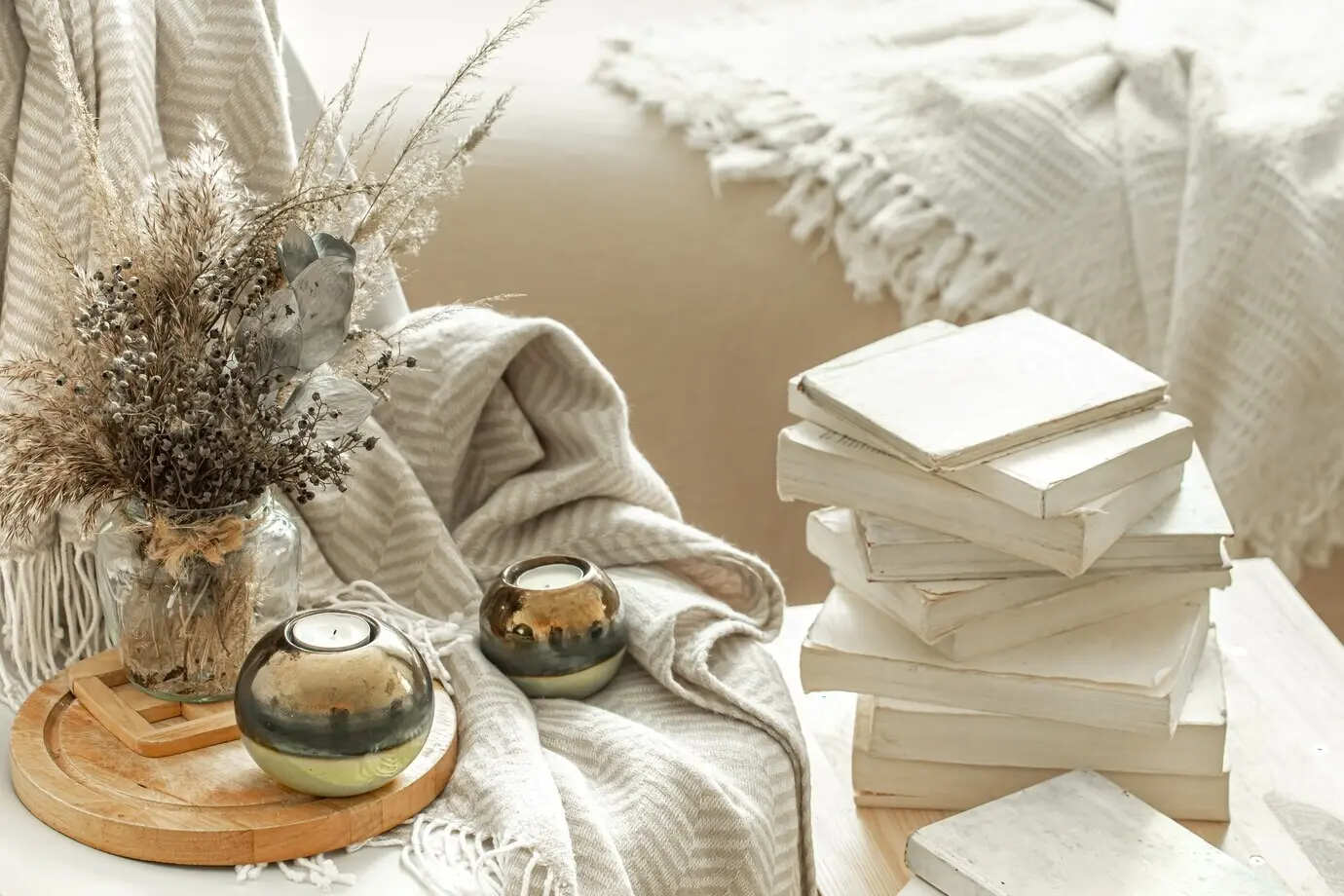
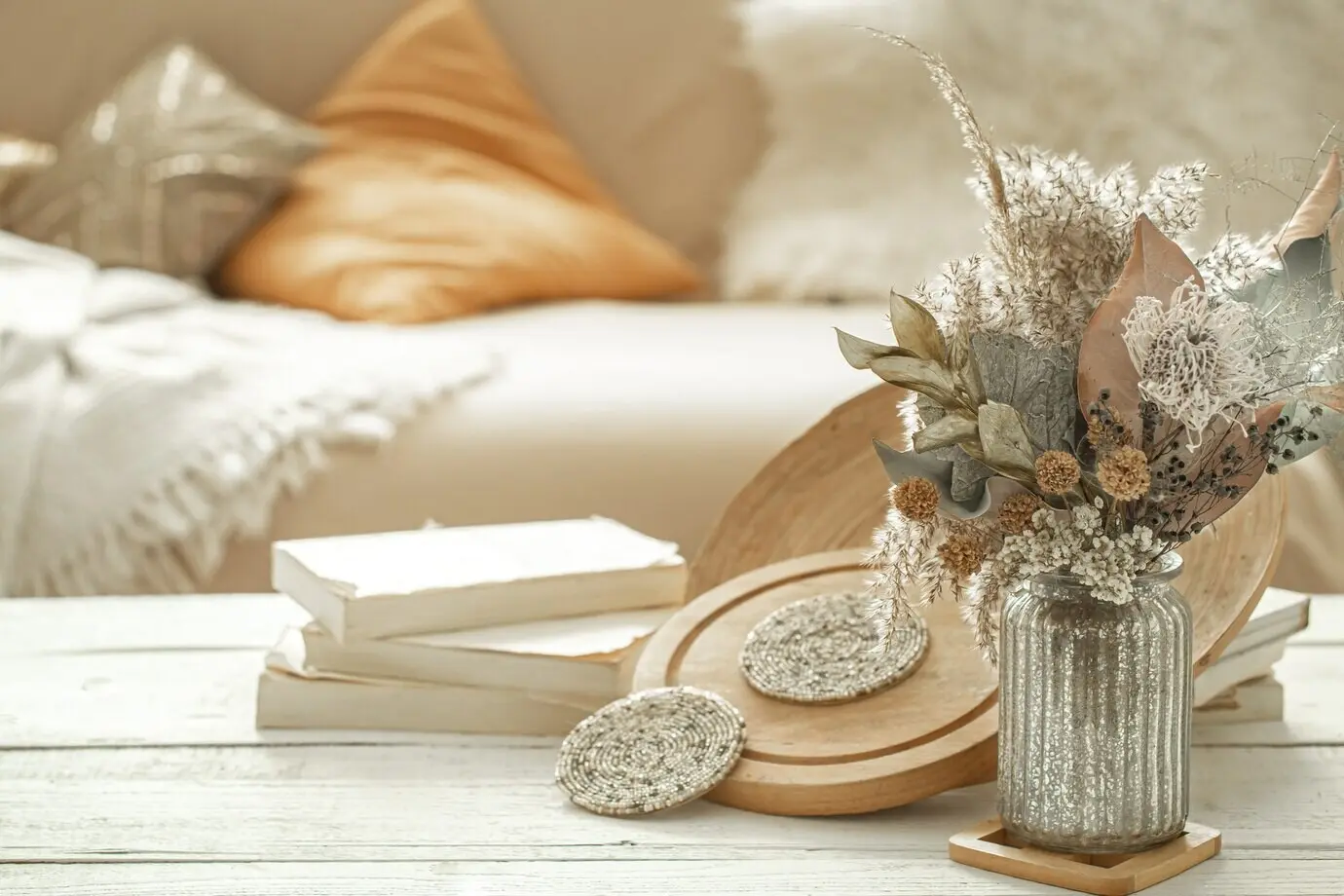
Choose one dominant texture to anchor touchpoints, then support it with contrasting weaves and finishes. A nubby bouclé sofa feels richer beside smooth oak, and a matte wall sings when paired with a supple leather ottoman. Layer coarse, medium, and fine textures so each surface earns attention without crowding the eye.

The Power of Negative Space

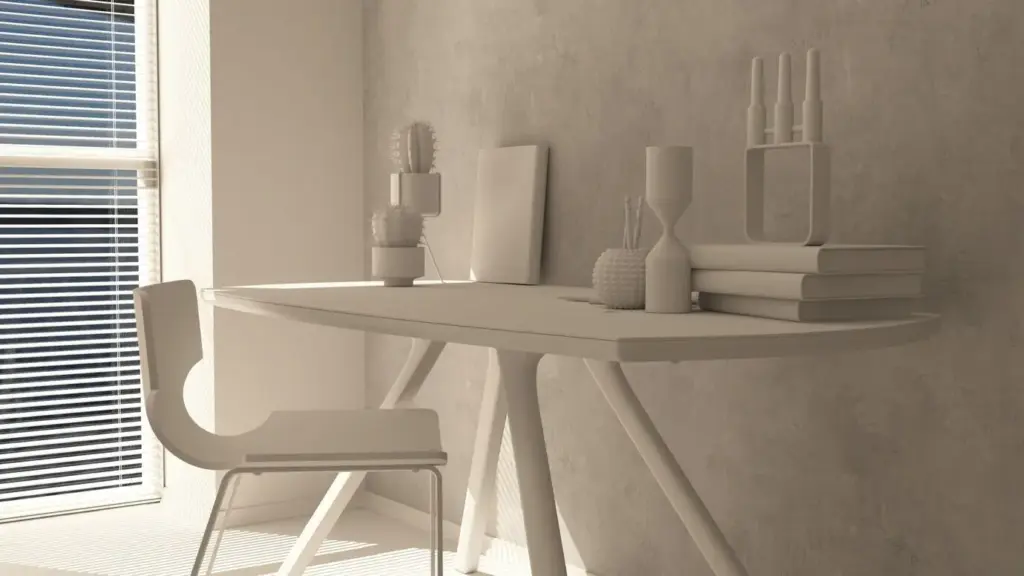
Leaving room to breathe creates the feeling of investment and care. Clear table edges, open floor segments, and calm wall fields make textures appear more intentional. Negative space also amplifies shadows, highlights, and silhouettes, letting each material’s depth read clearly and helping a restrained palette feel cinematic rather than flat.

Materials that Whisper, Not Shout

Natural, honest materials carry emotional weight and sensory credibility. Linen wrinkles beautifully, stone cools the hand, and softly finished woods age with grace. By choosing finishes that invite touch and patina, you create an unforced elegance. The result feels grounded, collected, and quietly confident rather than polished to a brittle shine.

Light, Sheen, and Shadow as Design Tools

Control how light touches surfaces to make neutrals feel multidimensional. Balance matte, eggshell, and low-sheen finishes so highlights are gentle, not glaring. A layered lighting plan—ambient, task, and accent—reveals textures at different intensities, making rooms glow at dawn, sparkle in the evening, and relax softly after dark.

01

Daylight and Matte Surfaces

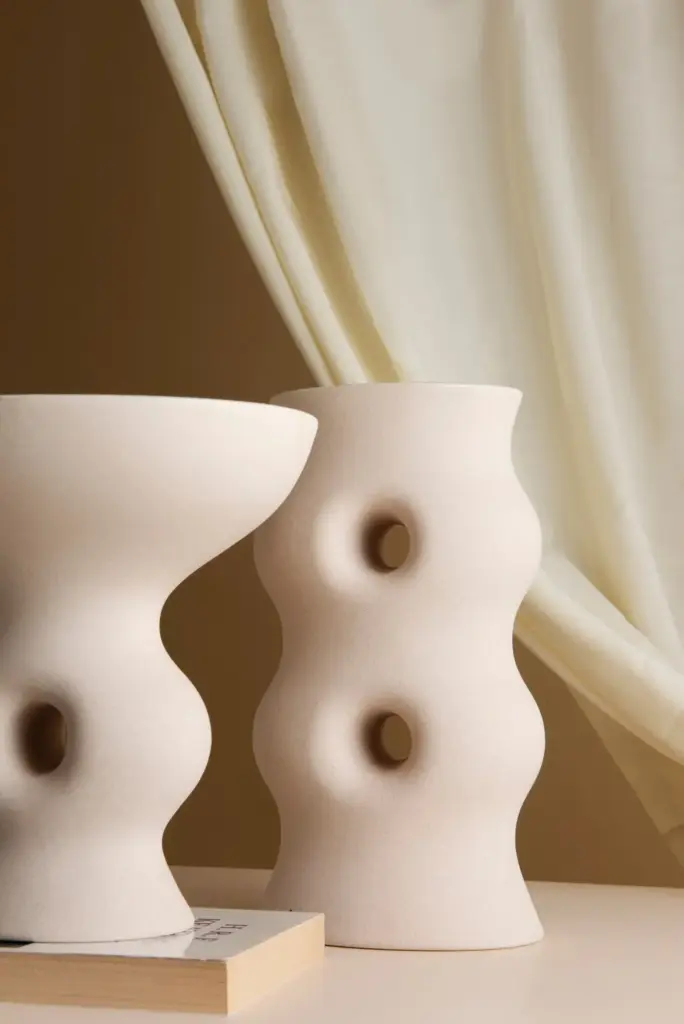
Position seating to capture side light, not direct glare, allowing fabrics to show depth. Matte paint reduces hotspots, helping shadows read as gentle gradients. Use sheer linen drapery to filter harsh rays and animate walls with moving patterns. The result feels calm, cinematic, and richly detailed without demanding constant adjustment.

02

Layered Lighting at Night

Combine dimmable ceiling washes with swing-arm reading lights and small accent lamps. Warm temperatures around 2700K flatter neutral palettes and skin tones. Place lights near textured materials so evening shadows deepen tactility. Consider hidden LED strips under shelves or behind headboards for a hush of glow that feels intimate.

03

Reflective Touches Without Glare

Choose bronze mirrors, smoked glass, and satin metal rather than mirror-polished finishes. These reflect softly, spreading light without harsh reflections. A glass-topped side table beside a bouclé chair or a slim metal sconce against plaster reflects just enough gleam to suggest luxury while keeping the mood grounded and restful.

Patterns, Scale, and Visual Rhythm

Case Study: A Softly Luxurious City Apartment

{{SECTION_SUBTITLE}}

Living Room Comfort That Looks Effortless

A bouclé sofa in warm ivory met a low walnut table with a honed travertine top. Silk-trim pillows caught evening lamplight, while a linen-wool rug grounded the arrangement. A single bronze-framed mirror brightened a dark corner. Visitors described the space as calm, expensive, and immediately welcoming, even on busy weekdays.

Bedroom Sanctuary with Tonal Warmth

Layered sheeting—percale under linen—created temperature flexibility and tactile contrast. A headboard upholstered in pebble-gray wool felt anchored the room, and plaster-finished walls softened morning light. Reading sconces with soft cones of glow framed the bed. The client slept better, attributing it to gentle textures and a consciously minimized visual field.

Planning, Care, and Longevity

Maintenance That Preserves Tactility

Vacuum rugs weekly, brush bouclé with a soft garment tool, and spot-clean linen promptly. Use breathable protectants, not plastic barriers, so fibers age gracefully. Oil wood sparingly, avoid harsh cleaners on stone, and accept subtle wear as narrative. Discipline here keeps quiet luxury looking intentional, authentic, and beautifully lived-in.

Budget-Savvy Layering and Upgrades

Spend on touchpoints—sofas, rugs, bedding—then elevate with smaller upgrades like silk-trim pillows, a honed stone tray, or dimmable bulbs. Thrift solid wood pieces and refinish with matte varnish. Swap shiny hardware for aged brass. Small, thoughtful changes compound rapidly, turning a neutral room into a tactile, collected, enduring refuge.

Sustainable Choices with Lasting Beauty

Favor renewable fibers, FSC-certified woods, and low-VOC finishes. Choose pieces that can be reupholstered or repaired, not discarded. Natural materials often improve with age, reducing waste and enhancing character. Share your favorite responsible sources in the comments, and subscribe to receive our vetted maker list and seasonal sourcing updates.
Faxifexemerihipexokezixu
Privacy Overview

This website uses cookies so that we can provide you with the best user experience possible. Cookie information is stored in your browser and performs functions such as recognising you when you return to our website and helping our team to understand which sections of the website you find most interesting and useful.